

Oxygen Analyzers
Share the oxygen range, background gas, and sample conditions.
Share the oxygen range, background gas, and sample conditions.
Browse by equipment type or application. Share a model and quantity for a quote, or provide operating conditions and technical requirements for selection support. Request a Quote | Ask for Selection Support
Explore Equipment (24)
Share the oxygen range, background gas, and sample conditions.
Share the oxygen range, background gas, and sample conditions.
Share the measurement range, gas matrix, and sample pressure and temperature.
Share the measurement range, gas matrix, and sample pressure and temperature.
Specify the expected dew point, sample pressure, and measurement conditions.
Specify the expected dew point, sample pressure, and measurement conditions.
Specify the target gas, range, and potential interferences.
Specify the target gas, range, and potential interferences.
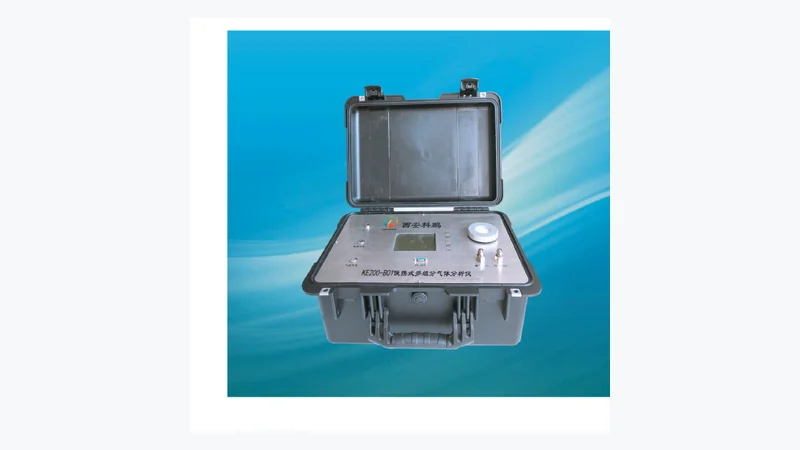
List the gas components and the required range for each.
List the gas components and the required range for each.
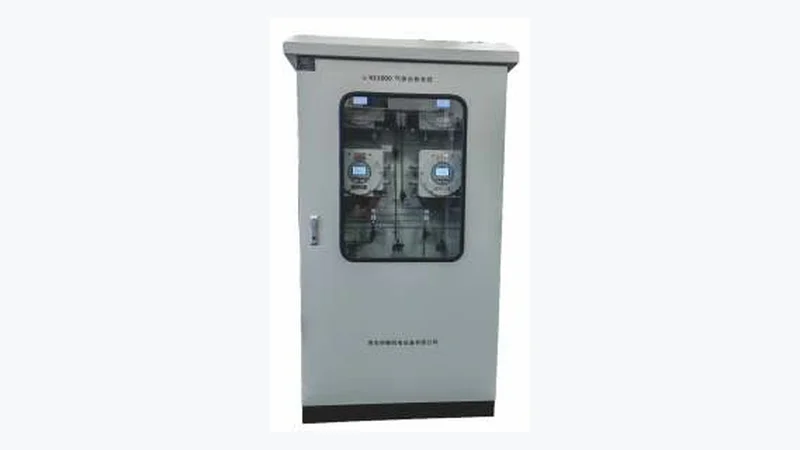
Describe the sampling point, sample conditioning, and output requirements.
Describe the sampling point, sample conditioning, and output requirements.
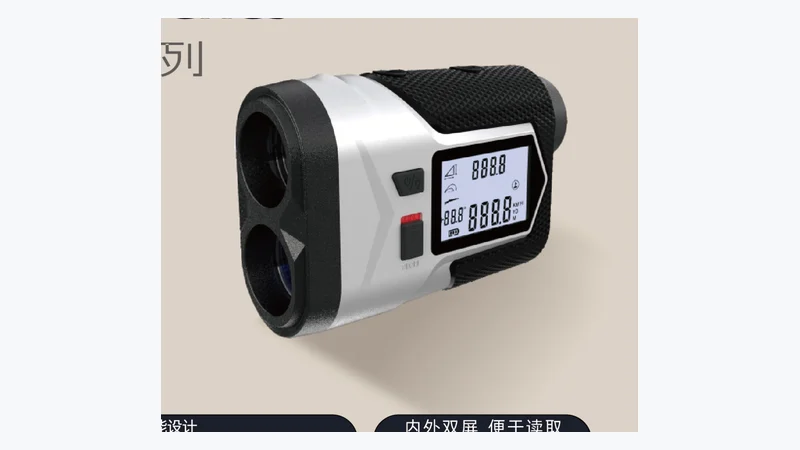
Share working distance, target conditions, and accuracy requirements.
Share working distance, target conditions, and accuracy requirements.
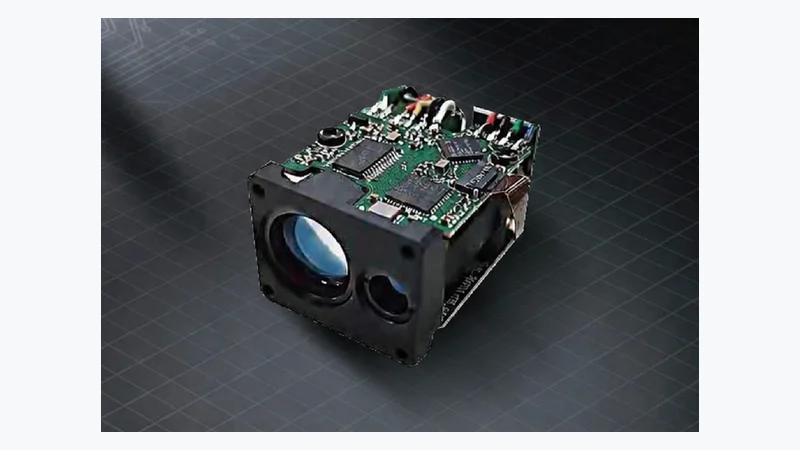
Share mounting space, required range, and output interface.
Share mounting space, required range, and output interface.
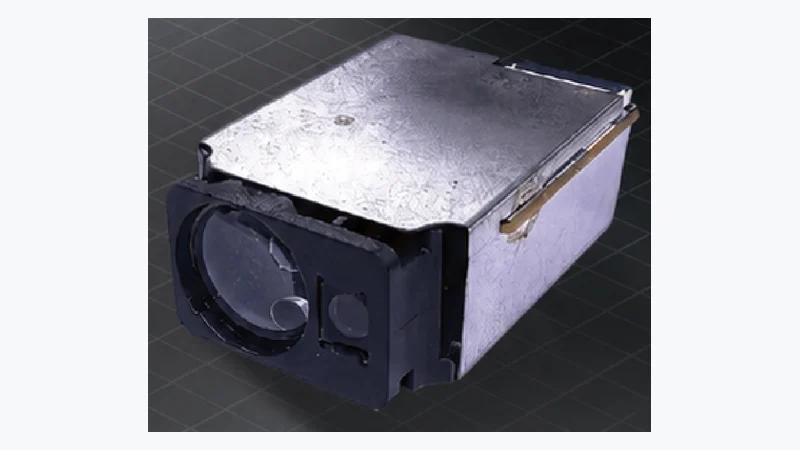
Specify the target, ambient conditions, and signal requirements.
Specify the target, ambient conditions, and signal requirements.
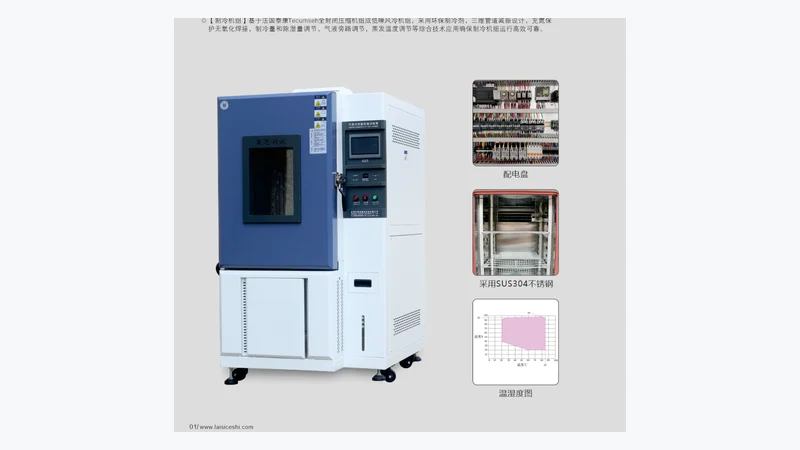
Provide chamber size, sample load, temperature, and humidity requirements.
Provide chamber size, sample load, temperature, and humidity requirements.
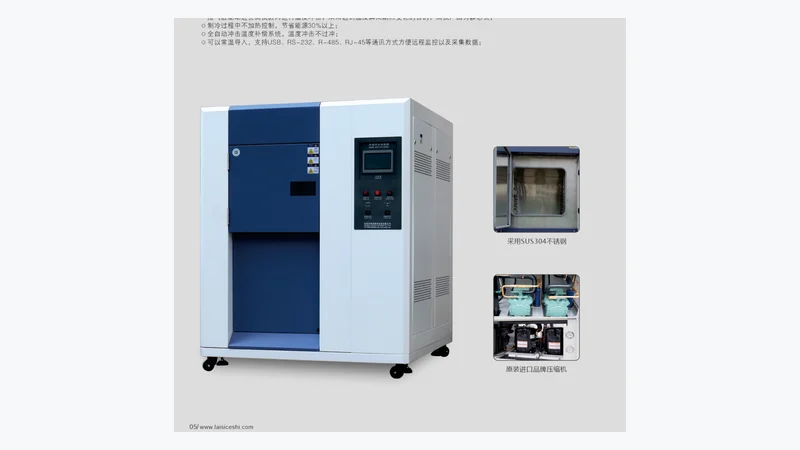
Specify the temperature extremes, exposure times, and sample load.
Specify the temperature extremes, exposure times, and sample load.
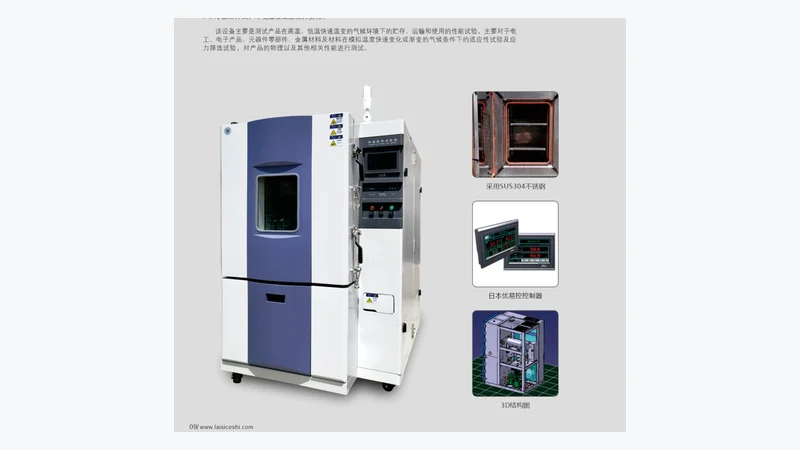
Share the temperature range, change rate, and test profile.
Share the temperature range, change rate, and test profile.
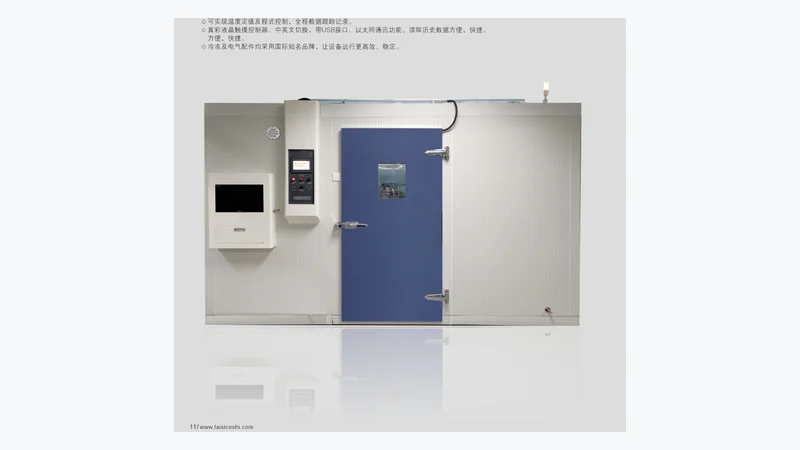
Provide specimen dimensions, chamber size, and site conditions.
Provide specimen dimensions, chamber size, and site conditions.
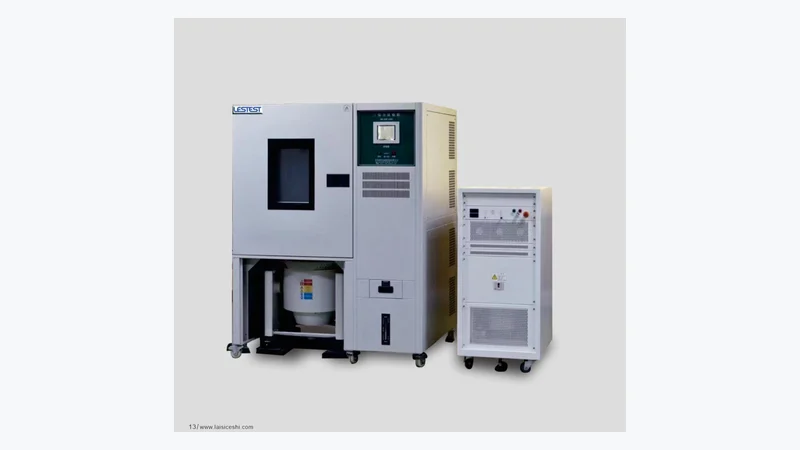
List the conditions that must be applied together and describe the test sequence.
List the conditions that must be applied together and describe the test sequence.
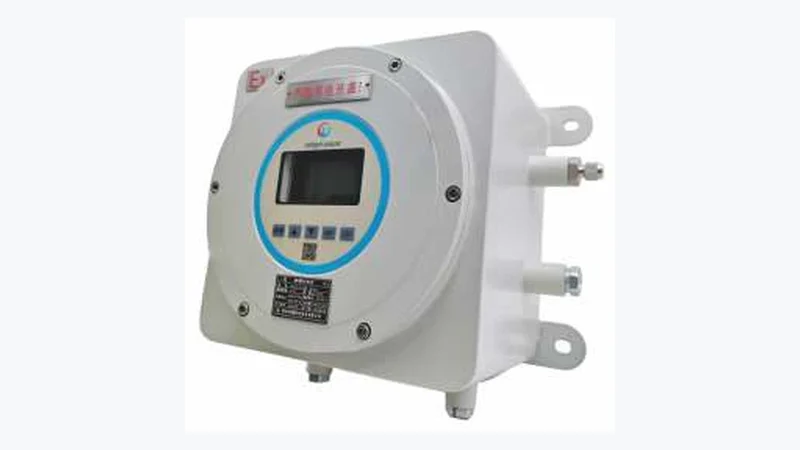
Identify the process step, target gas, measurement range, and sample conditions.
Identify the process step, target gas, measurement range, and sample conditions.
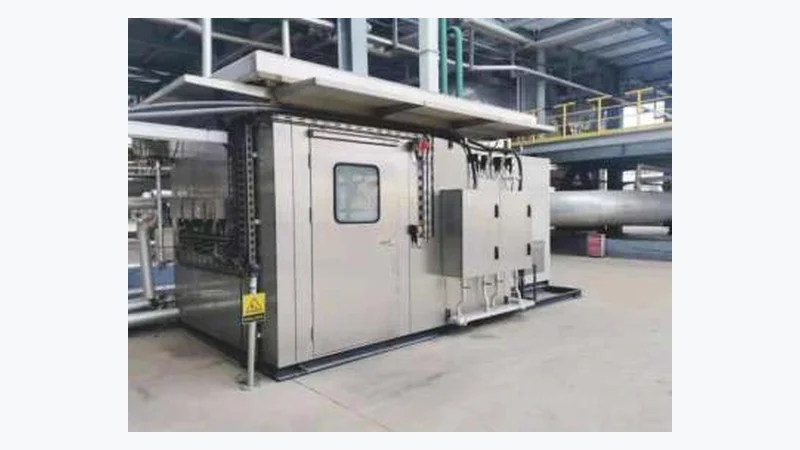
Describe the sampling point, gas composition, and system scope.
Describe the sampling point, gas composition, and system scope.
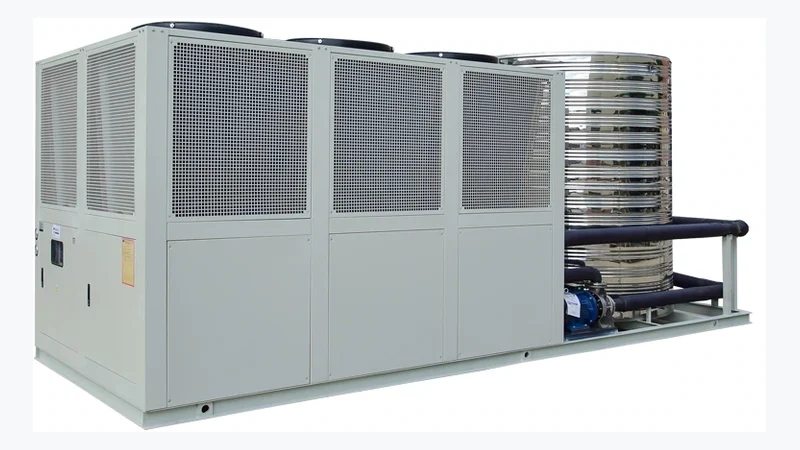
Share heat load, supply and return temperatures, fluid, and flow rate.
Share heat load, supply and return temperatures, fluid, and flow rate.
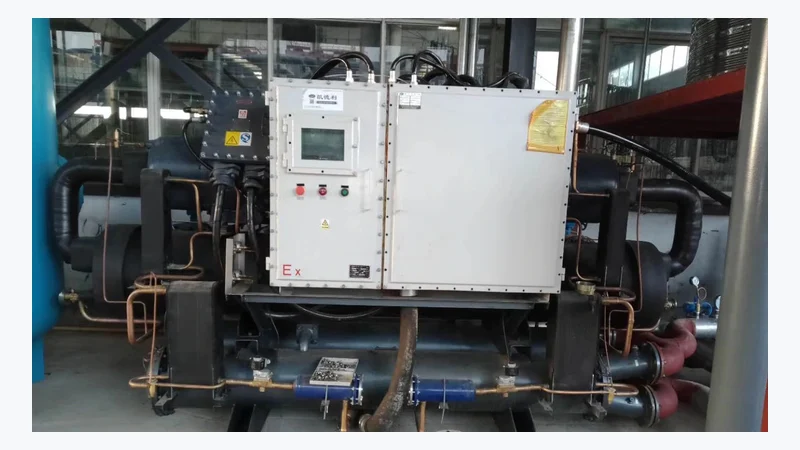
Specify the required circulation temperature, thermal load, and fluid limits.
Specify the required circulation temperature, thermal load, and fluid limits.
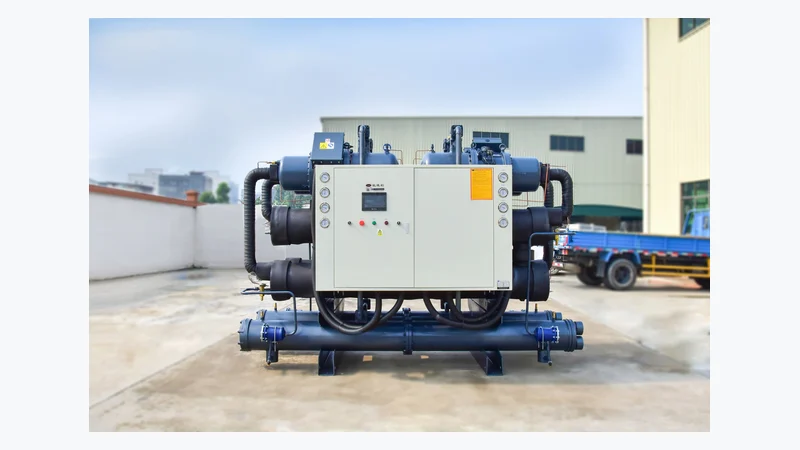
Provide the operating profile, interfaces, and installation conditions.
Provide the operating profile, interfaces, and installation conditions.
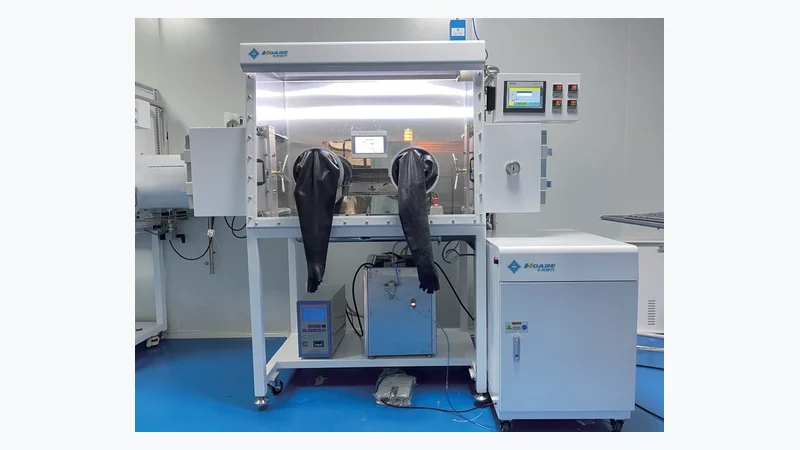
Share package dimensions, materials, and seam geometry.
Share package dimensions, materials, and seam geometry.
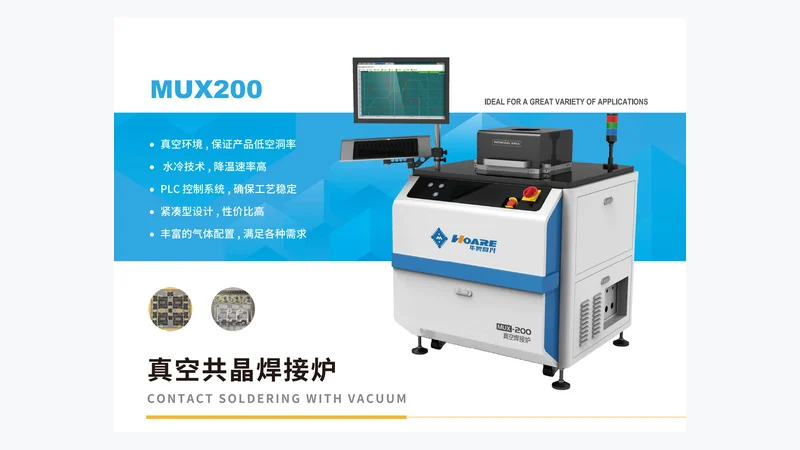
Specify the process temperature profile and package requirements.
Specify the process temperature profile and package requirements.
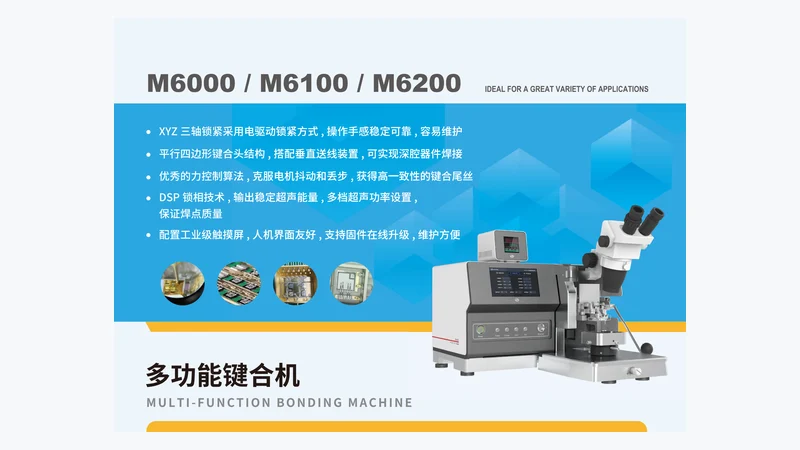
Describe the bond type, materials, and handling requirements.
Describe the bond type, materials, and handling requirements.
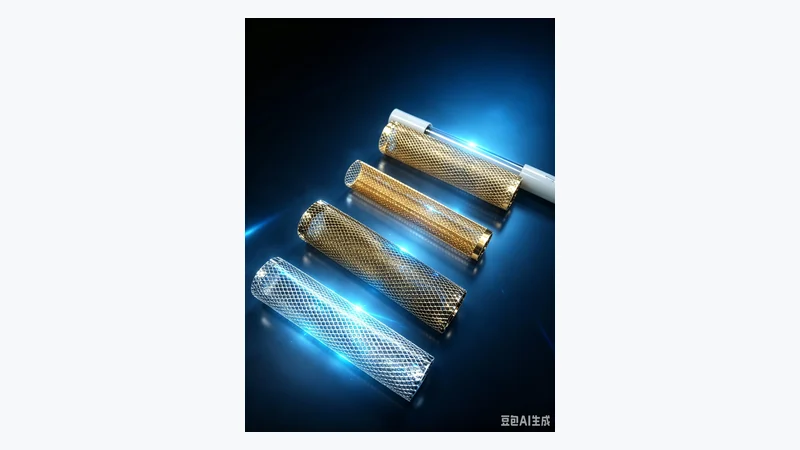
Describe the target contaminants, airflow, and space.
Describe the target contaminants, airflow, and space.
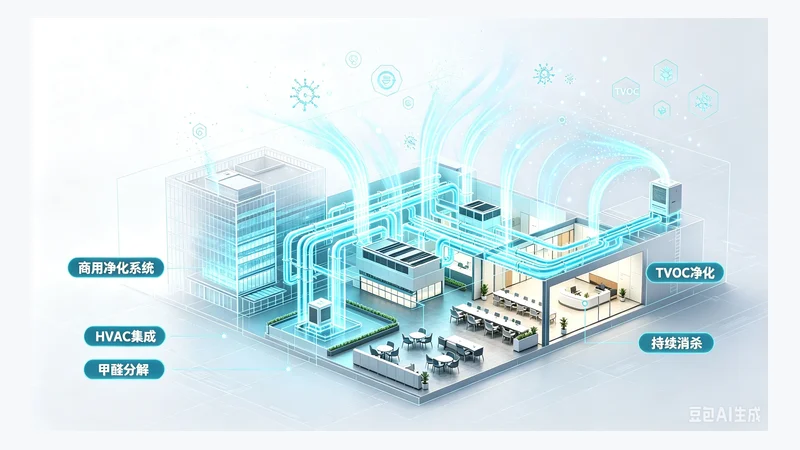
Share the existing equipment or ventilation layout and installation conditions.
Share the existing equipment or ventilation layout and installation conditions.
Choose the instrument by the measured gas, background gas, range and sample conditions. Compare flow, pressure and signal requirements before selecting a configuration.
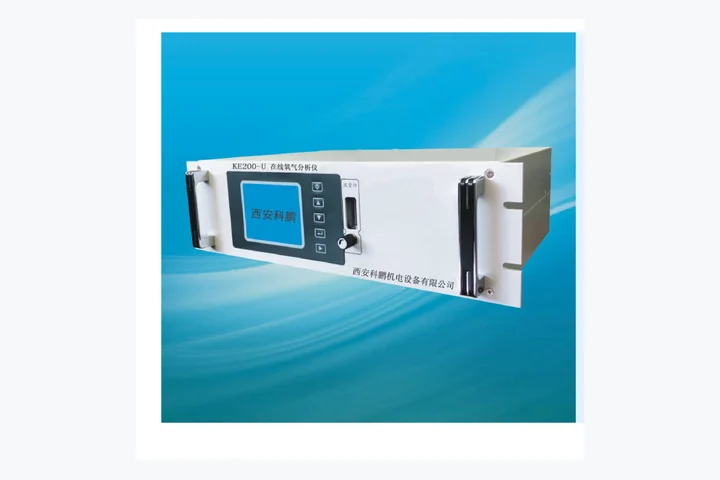
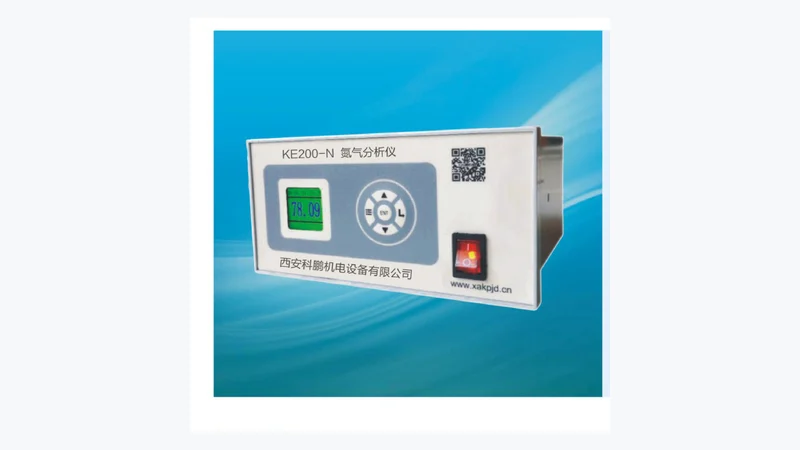
A panel instrument with selectable oxygen ranges. The input pressure is relative pressure.
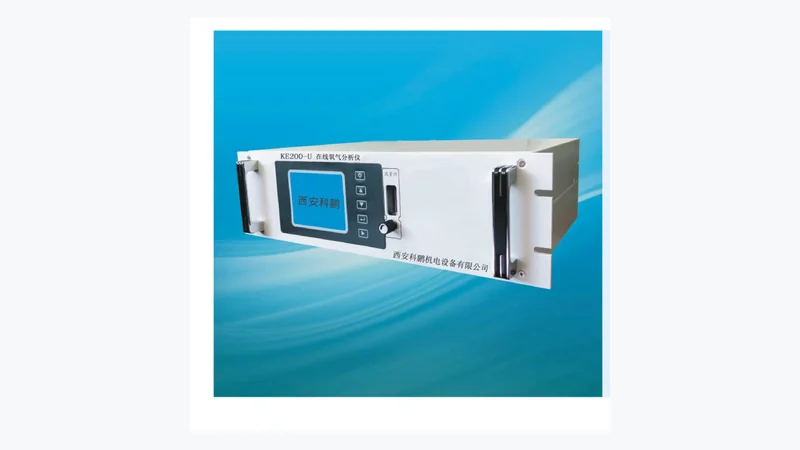
A 3U rack instrument for continuous oxygen measurement, with a selectable range.
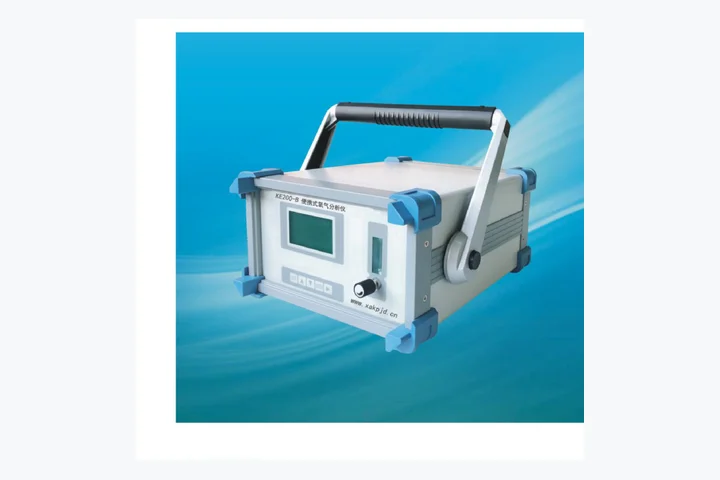
Select the oxygen range for the sampling task. The pressure specification applies to the configuration without a pump.
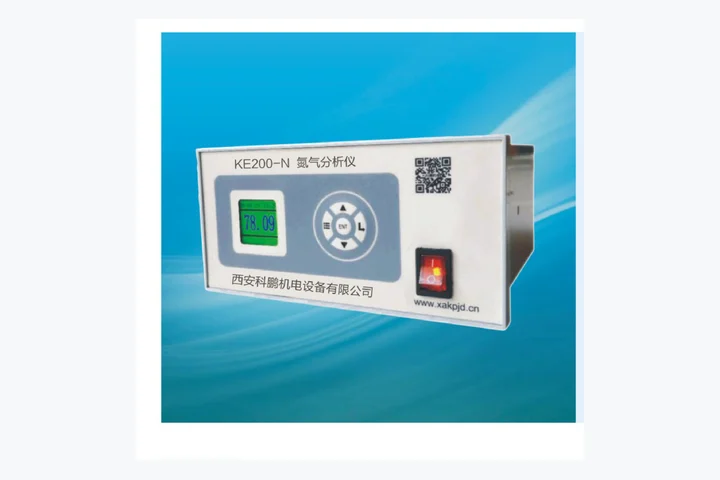
Select the sensing principle and the hydrogen range together. Thermal conductivity and electrochemical versions cover different concentrations.
A rack instrument that uses infrared sensing. Specify the target component and concentration range when selecting the version.
Compare the standard and extended dew point ranges and specify the required analog or serial interface.
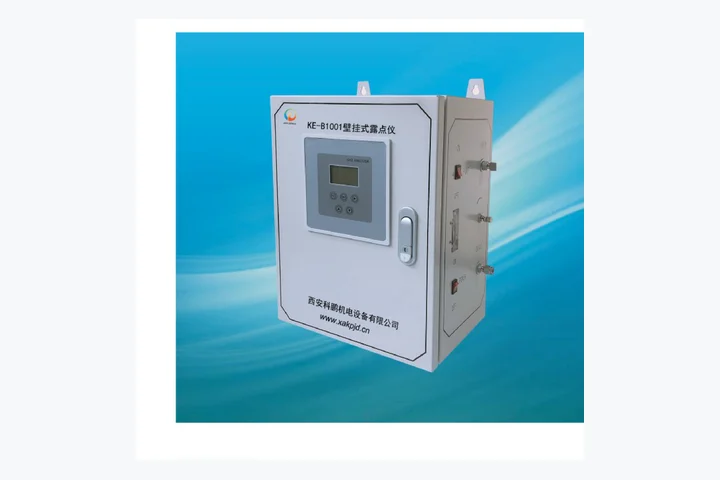
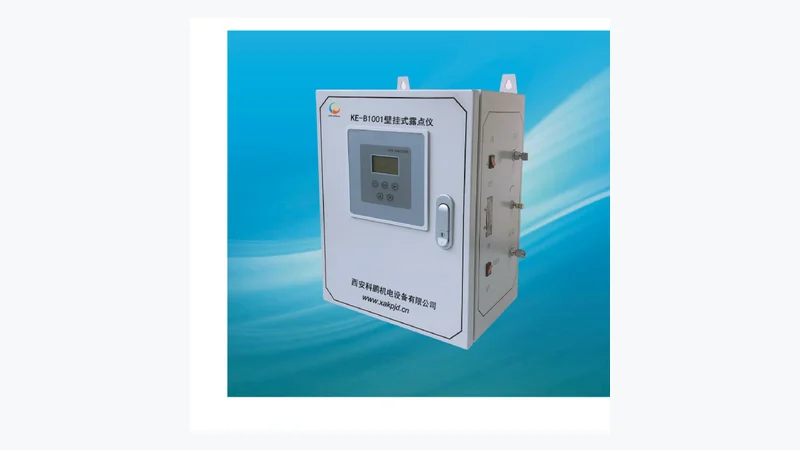
A wall-mounted capacitive dew point analyzer. Match the sampling flow and operating pressure to the pump configuration.
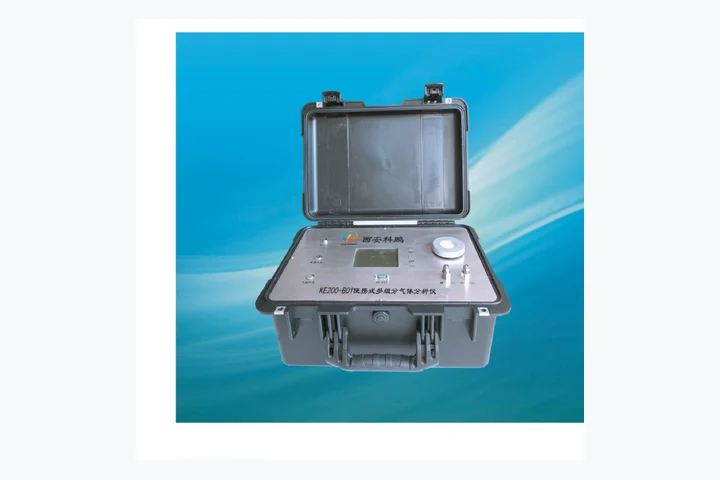
Select sensing channels to suit the gas components and measuring ranges required for the job.
Compare handheld meters for site measurement with sensors for installation in equipment. Target surface, ambient light, measurement distance and mounting constraints affect the choice.
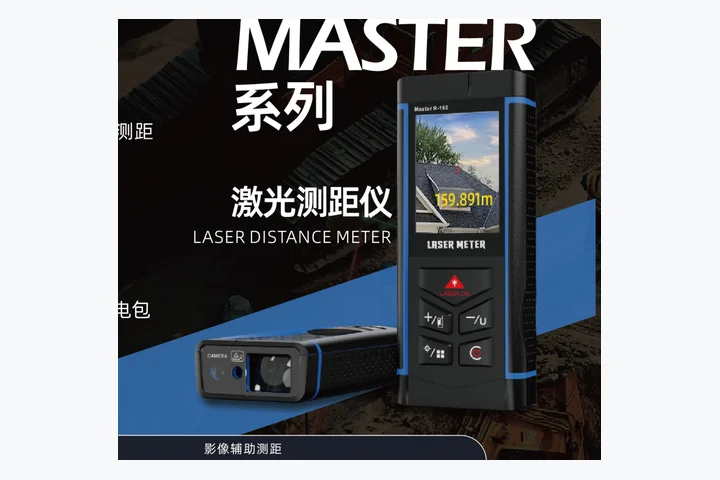
Handheld meters with a color display and image-assisted measurement. Choose green or red laser versions by model.
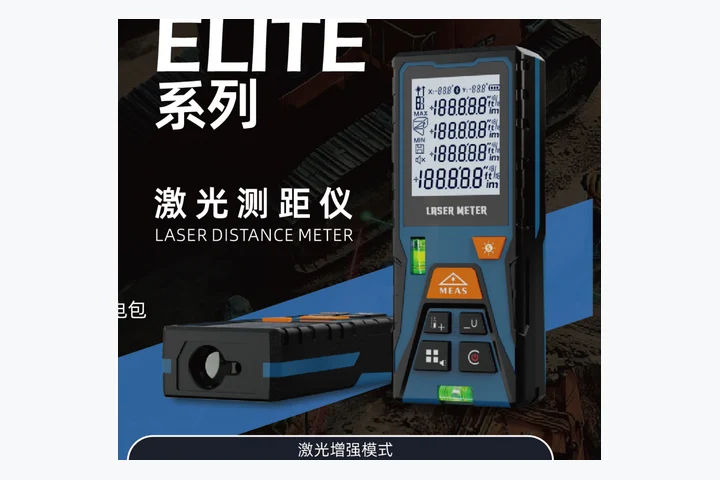
An LCD handheld meter with live angle display and a switchable laser boost mode.
A handheld laser distance tape with an LCD and USB-C charging.
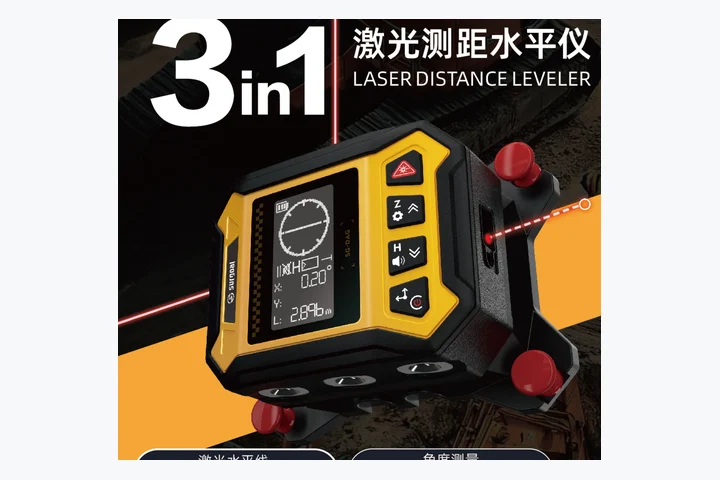
Combines distance measurement, line projection and angle measurement in a single tool.
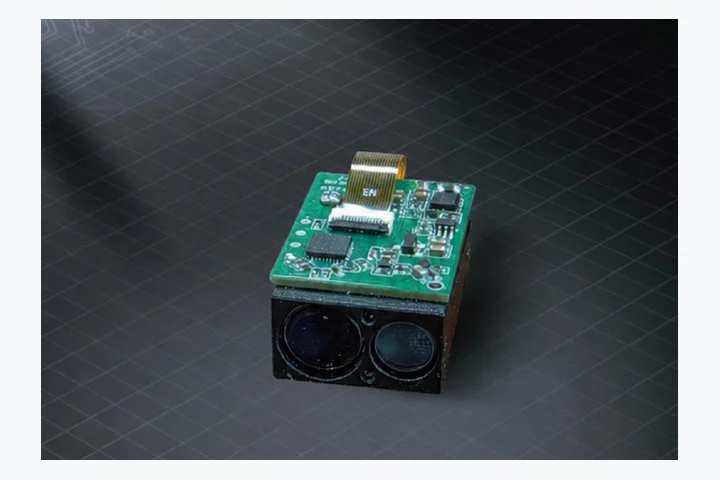
A compact module for non-contact distance measurement in optical and sensor assemblies. Use the device envelope when checking installation space.
Compact green-laser sensors with a 1 mm reading increment. KG2 and MG1 support an adjustable 2–5 Hz measurement rate.
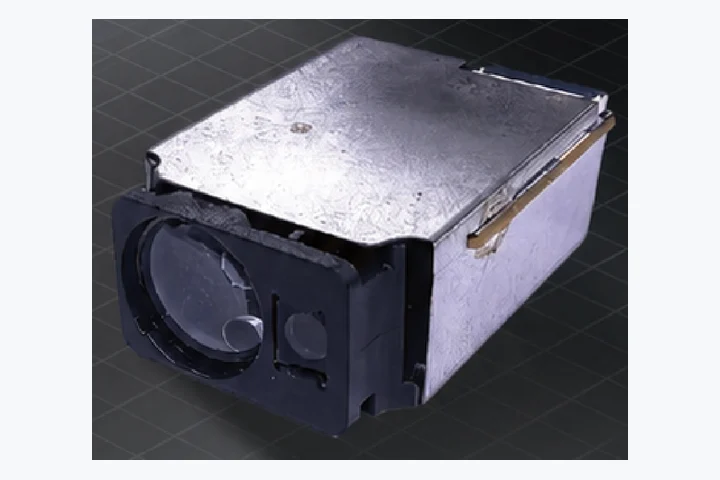
A green-laser sensor for applications that need millimeter-scale distance readings across a range of operating temperatures.
Outdoor sensor options with red (BR5) or green (BG5) laser light. Surface reflectivity and available light affect usable range.
Match each chamber to the test profile, sample size, loading and heat dissipation. Specify whether the required rate applies to an empty chamber or a loaded test space.
For evaluating materials and products under programmable hot, cold, dry and humid conditions. Select the chamber volume and temperature variant first.
An economical chamber family with dry-temperature and humidity configurations. Chamber performance depends on the cooling option and installation conditions.
Compact 30 L chambers for smaller test samples. Choose based on the minimum temperature and whether humidity cycling is required.
The sample stays in the test zone while the chamber switches exposure between the hot and cold zones.
A basket carries the specimen between separate hot and cold zones. Basket size, specimen weight and heat load guide selection.
For test profiles with controlled heating and cooling ramps. Include specimen heat dissipation and maximum load when requesting sizing.
Select a chamber around the specimen envelope and heat load. Custom chamber dimensions can be discussed for larger assemblies.
A combined chamber configured with a vibration table for tests requiring simultaneous environmental and mechanical conditions.
Uses a xenon arc lamp to expose materials to simulated sunlight and heat for comparative weathering tests.
A pressurized aging chamber for evaluating components such as connectors, boards, semiconductor packages and polymer materials under elevated temperature and humidity.
Define the process stream, pressure at the sampling point and at the analyzer, and the conditioning the sample needs. Select instrument and cabinet configurations together.
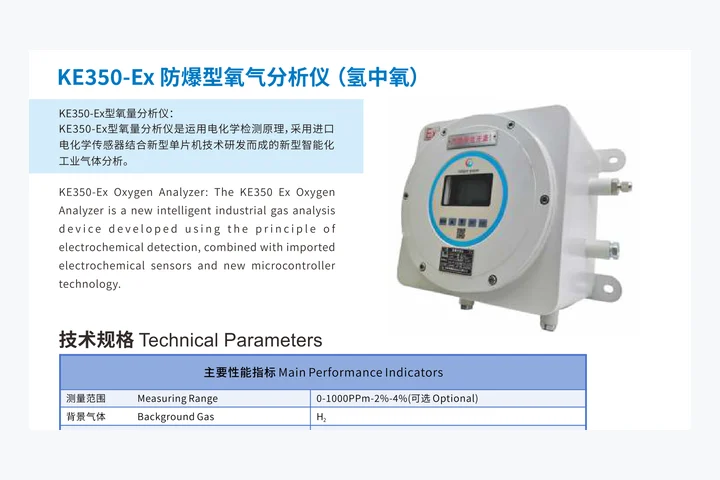
Electrochemical oxygen measurement for hydrogen production. Select the measuring range appropriate for the process point.
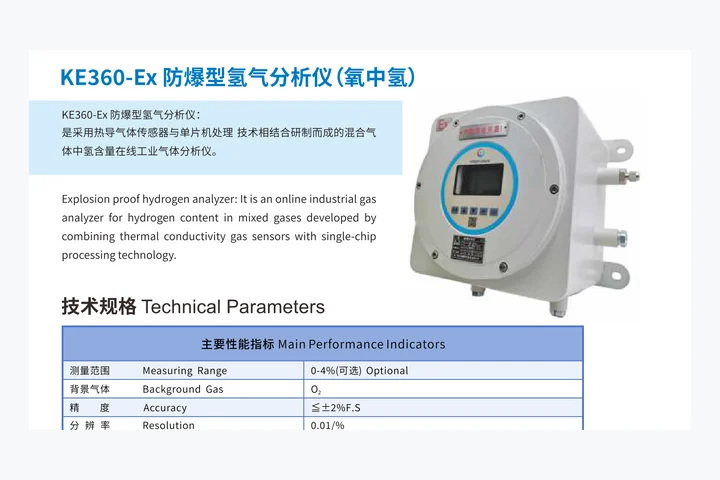
Uses a thermal conductivity sensor to measure hydrogen in an oxygen stream.
A capacitive dew point instrument for moisture monitoring in a hydrogen stream.
The oil and gas configuration has its own inlet pressure range. Specify where the sample will be taken and how it will be conditioned.
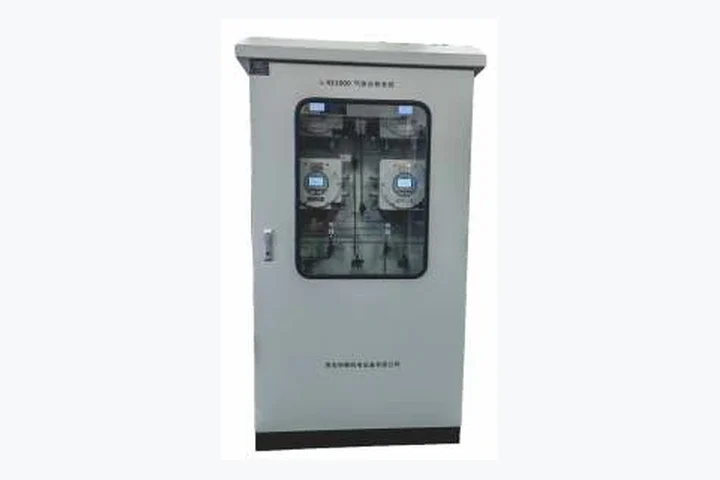
An integrated cabinet with four analyzers and four pretreatment circuits. Filtration, adsorption and pressure reduction condition incoming samples before measurement.
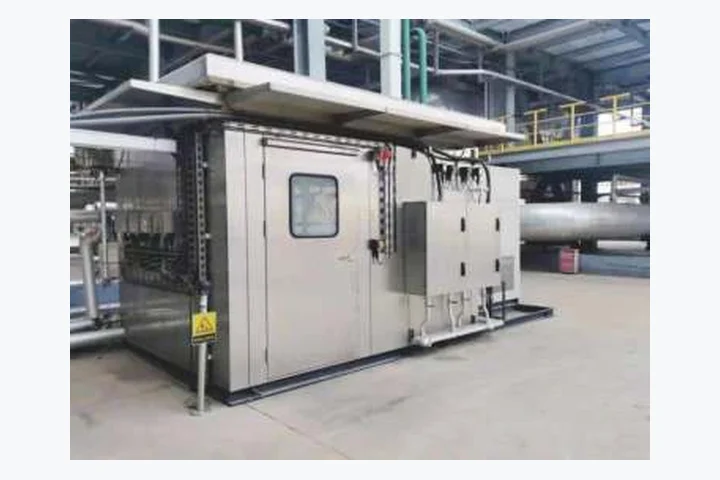
A process analyzer and sample pretreatment system can be integrated in a double-layer stainless steel cabin. Plan the probe, sample lines and enclosure together.
For equipment selection, share the heat load, supply and return temperatures, flow, fluid, pressure and site conditions.
Cooling for PEM electrolysis, integrated hydrogen production and other supported production processes. Match the cooling load to the process and installation conditions.
Temperature control for fuel cell stack, motor and electrical equipment, and battery-pack cooling tests. Flow or pressure control can be selected alongside temperature control.
A pre-cooling option for hydrogen station, storage and filling equipment. Size the unit to the process load and required temperature.
Temperature control for hydrogen diaphragm compressors and natural-gas compressors. Air-cooled, water-cooled or other arrangements are selected for the site.
Low-temperature cooling for production trials, materials engineering and research. Match the setpoint and the return conditions to the fluid and heat load.
Compare the condenser arrangement with the available utilities and site limits. Other equipment options include screw chillers, oil coolers, and temperature control units for heating and cooling.
Compare equipment by package size, material, bonding or welding process, and production volume. Define the utilities and fixture requirements for each step.
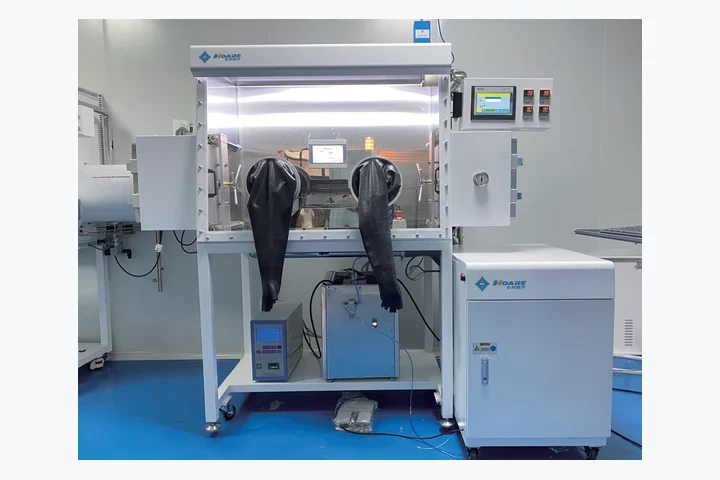
Integrates a parallel seam welder with a glovebox and vacuum baking. Supports circular, rectangular, regular polygon and array welding modes.
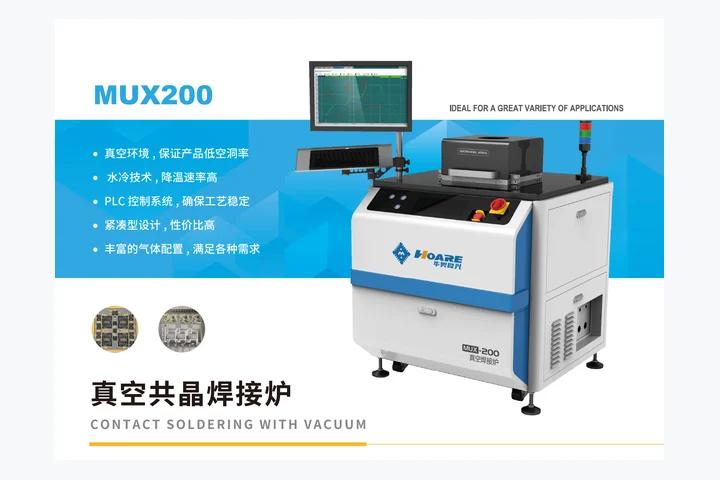
A vacuum heating and cooling system for eutectic processes. Select process atmosphere and pump options for the material and assembly.
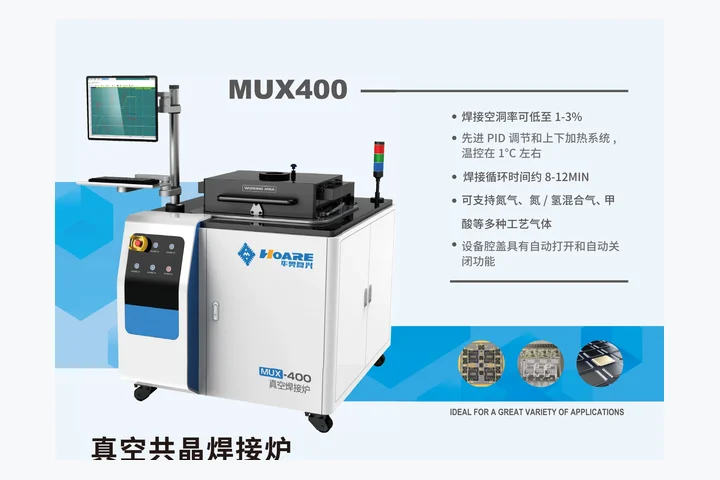
A larger heated area for vacuum bonding. The unit lists four monitoring channels and optional additional channels.
The M6000 supports ball and wedge bonding, the M6100 ball bonding and the M6200 wedge bonding. Select the configuration by wire material, diameter and package cavity depth.
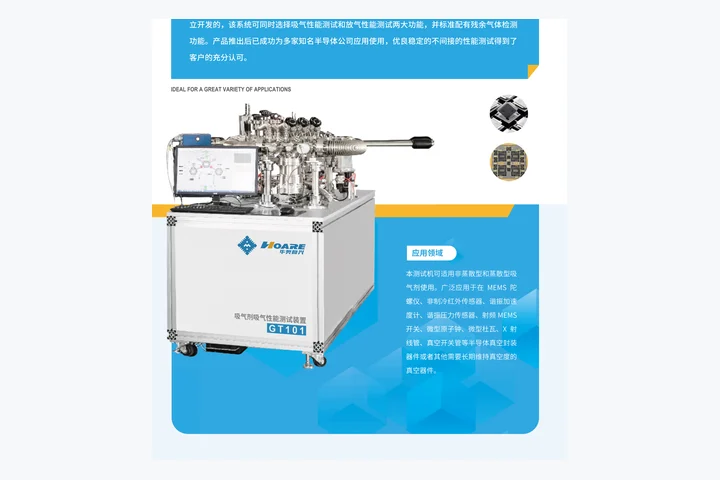
A test system for evaluating getter materials. Material outgassing and residual gas analysis are available as configuration options.
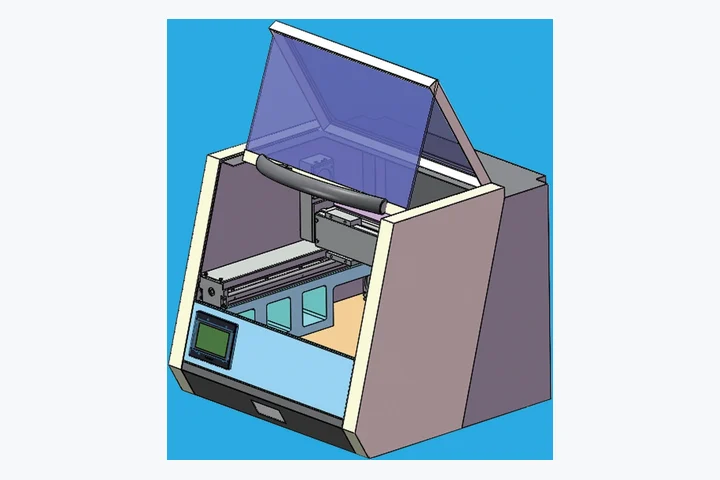
Combines precision placement and dispensing. Process modules for heating, UV dispensing or curing, and inspection can be configured for the assembly.
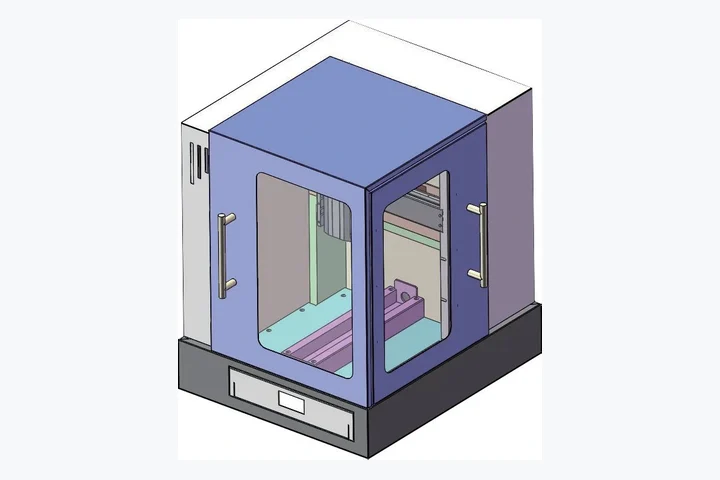
Vision-assisted equipment for opening ceramic or metal packages. Check package geometry and the allowable machining area when selecting tooling.
Selection starts with the application, the space or airflow, the installation geometry and the electrical interface. Discuss the module as part of the equipment or ventilation system it will fit into.
An embedded photolysis module can be considered for an existing air-handling or fresh-air unit. Share the duct arrangement, airflow and available installation access.
Discuss a module for a vehicle cabin or an assembly designed to fit the vehicle's air handling system. Share available space, electrical interfaces and the installation constraints.
Consider embedding a photolysis module in a cabinet or furniture assembly. Share enclosure dimensions, airflow path and access for integration.
For repeat integration into equipment, discuss module supply or a dedicated design around the required space, interface and operating conditions.